



Key Takeaways
- Rent stabilization laws protect you from excessive rent increases and evictions.
- If your rent-stabilized building is sold, your new landlord still has to follow those laws.
- Your existing lease continues under the new landlord, including all of its terms and policies.
- Your new landlord still needs to offer you a lease renewal. They’re allowed to raise your rent, but must stick to the maximum set by the Rent Guidelines Board.
- Get your documents together and form a tenant association to protect your rights during a building sale.
What Happens When Your Landlord Sells Your Building?
The most important thing to know if your rent-stabilized building is being sold, is that you have rights and your lease stays the same. All of your rights under rent-stabilization laws continue to apply to you.
Now, this doesn’t mean other things won’t change, like how the building is managed. Also, the new owners might enforce the rules in your lease more strictly than your last landlord, but worry not, your legal protections remain the same.
Your NYC Rent Stabilization Protections Stay the Same
If you live in a rent-stabilized apartment, New York law gives you specific tenant rights, including limits on rent increases, the right to lease renewal, required building services, and protection from unlawful eviction. These rules are overseen by the New York State Division of Housing and Community Renewal (DHCR).
When a rent-stabilized building is sold, your tenant rights do not change.
Your New Landlord Must Notify You of the Sale
When a rent-stabilized building is sold, you are entitled to written notice of the change in ownership. The new landlord needs to notify you by registered or certified mail and provide their name and contact information, where rent should be sent going forward, who holds your security deposit, and whether there has been a change in property management.
And just like your new landlord is expected to honor the existing lease, you also need to follow its terms.
What Happens to Your Lease When a Building Is Sold?
Your Lease Carries Over to the New Owner
When a rent-stabilized building is sold, nothing about your lease suddenly changes, and it carries over to the new owner exactly as is. Just because they bought your apartment doesn't mean they get to void your lease or evict you.
Can My New Landlord Raise My Rent?
A new landlord can’t raise your rent mid-lease. When your lease comes up for renewal, they still have to follow the limits set each year by the NYC Rent Guidelines Board, which operates under New York’s rent regulation system.
We've seen it where the new owners increase rent after a sale because the previous owner didn’t bother with the allowed increases in earlier years. That doesn’t mean your apartment isn’t rent-stabilized anymore; it just means the new owner is taking increases allowed by law.
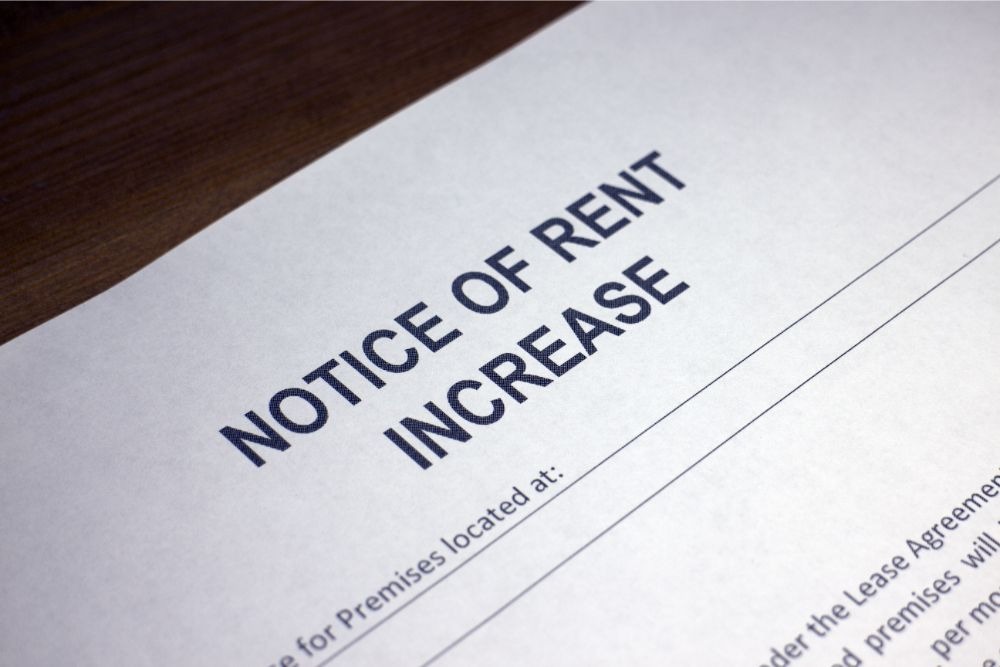
Sometimes landlords try to raise the rent if the tenant was paying a preferential rent, or because they claim higher operating costs or building-wide improvements. Don’t worry, these increases aren’t automatic. They’re regulated and reviewed before anything can happen.
Your Rights During and After a Sale
Showings and Access to Your Apartment
If your apartment is on the market, your landlord is allowed to show the space to potential buyers, but they have to give you at least 24 hours’ written notice, and can only ask to come in at normal times of day.
If your landlord is showing the place, you don’t need to rearrange your life for showings. You can set times that work for you, and it’s your right to be there while they show the apartment. If your landlord doesn’t give you proper notice, you can say no.
After the Sale: What Stays the Same
Once the sale is complete, your rent-stabilized tenant rights stay exactly the same. They can’t kick you out of your apartment, and your rent-stabilized lease renewals continue as usual.
Smart Steps to Take When Your Building Is Sold
Get Your Paperwork in Order
Make sure you have copies of your lease and past renewals, just in case something comes up later and you need to have them available for proof for any reason. Also, get written confirmation from your former landlord that they transferred your security deposit to the new owner. If there’s any confusion about where your deposit is, deal with it early.
Hold on to proof that you’ve paid rent, like receipts, bank records, or online confirmations. It’s also a good idea to jot down important interactions with the landlord or management, including notices, inspections, and repair requests. Hopefully, you’ll never need it, but if something goes sideways, those records can make a big difference.
Talk With Other Tenants in Your Building

When a building changes hands, it affects everyone living there. A lot of our past clients have formed or joined a tenant association, which made it easier to compare notes and deal with issues as a group instead of on their own.
An association can also give you and the other tenants more protection and, if legal help is ever needed, spread the cost across multiple tenants.
Learn Who the New Owner Really Is
In many NYC building sales, the new owner shows up as an LLC instead of a person’s name. You can look up recent property records in the Automated City Register Information System to see who actually owns the building now and confirm that the sale went through.
It’s also a good idea to double-check any new management company in the Department of Housing Preservation and Development before paying rent, so you know your money is going to the right place.
You can also look into how the new owner treated tenants in other buildings, so you know what’s coming.
So What Happens if The New Landlord Mentions a Buyout?
After a building sells, don’t be surprised if the new owner mentions an apartment lease buyout. Some tenants also ask their new landlord for a buyout before waiting for an offer. This often comes up when you’re paying a low preferential rent or the new owner wants to renovate, which is a lot easier for them when the apartments are empty.
Here’s the thing. A buyout is optional. You don’t have to answer on their timeline, and you definitely don’t have to say yes. The first number they throw out is always low, it’s just part of the process, so don’t take it personally.
If you slow it down, talk to others in the building, and get a sense of what your apartment is actually worth, you’ll be in a much stronger position than tenants who rush into it.
Before You Respond to a Buyout Offer
Once buyout conversations start, things can move quickly, and it’s easy to leave money on the table if you’re not paying attention. Numbers get floated, timelines get suggested, and suddenly you’re being asked to make decisions regarding your future.
Before you respond, speak with Lease Buyout Advisors. We focus exclusively on tenant-side buyouts. That means we look at your apartment, your rent history, and what’s happening with the building to figure out what your lease is actually worth, not just what’s being offered.
We help you slow things down and see the full picture, so you’re not making decisions in the dark or leaving money on the table.
If your rent-stabilized building has been sold and a buyout is on the horizon, this is the moment to get serious about your options.
FAQs About Rent-Stabilized Buildings and Sales
Does a building sale affect my preferential rent?
A building sale doesn’t automatically wipe out a preferential rent, but this is an area where tenants are often given mixed or incomplete information. Whether a change is allowed depends on how your lease and past renewals are written and when they were signed.
Can a new owner renovate the building in a way that forces me out?
In most cases, no. Routine renovations don’t allow a landlord to force a rent-stabilized tenant out of their apartment. Even when major work is planned, there are rules around access, livability, and tenant protections.
What should I do if I think my rights are being violated?
Harassment and rent overcharges are illegal. If a landlord tries to overcharge you, deny a renewal, or pressure you to leave, that may be a violation of rent stabilization rules.
If you receive eviction papers, a landlord has to go to court, and only a judge can order an eviction. If you ever feel your rights are being threatened after a sale, reach out to a tenant advocacy group to understand your options and next steps.


