


Key Takeaways
- NYC tenant rights set clear rules for how landlords handle repairs, rent increases, access to your home, and eviction procedures.
- Rent-stabilized tenants receive renewal rights and limits on annual rent increases.
- Harassment, discrimination, and improper entry are illegal, and you can file complaints with city or state agencies when needed.
- Buyout offers must comply with strict disclosure rules, and tenants often have more leverage under the law than they realize.
As a renter in New York City, you have some of the strongest housing protections in the country. These laws are in place to make sure you have a safe, well-maintained home, fair treatment, and clear rules for repairs, rent increases, and what happens when your lease ends.
If you live in a rent-stabilized or rent-controlled apartment, these rules work even harder for you. They limit how much your rent can increase, guarantee your lease can be renewed, and prevent your landlord from using certain tactics to push you out.
What the Latest Tenant Protection Laws Mean for You
New York introduced several updates in recent years that change how your rights as a tenant are addressed. The 2019 Housing Stability and Tenant Protection Act (HSTPA) changed many long-standing practices by capping application fees, tightening rules on security deposits, requiring more advance notice before rent hikes, and ending vacancy deregulation so more apartments stay regulated.
In 2024, the Good Cause Eviction law created additional rules for many market-rate tenants. Under this law, your landlord must give a specific legal reason if they want to end your tenancy, and you can challenge certain large rent increases if they try to remove you through an eviction case.
These laws set firmer limits on what landlords can do and clarify the rules around your tenancy.
What Are NYC Renter Rights?
NYC renter rights include:
• The right to a habitable apartment
• The right to privacy and reasonable notice before entry
• Protection from harassment or discrimination by the landlord
• Clear procedures for repairs, rent increases, and evictions
These rights give you a clear framework for how your landlord must handle your tenancy and what you can expect in day-to-day issues.
Rights to a Safe and Livable Home
You and every other renter in NYC have the right to a home that meets basic safety and health standards. Your landlord is required to provide heat, hot water, working utilities, and a building that is free of hazards such as mold, leaks, or pests. If something breaks, you have the right to request repairs, and if the issue is ignored, you can report it to the city.
If you live in a rent-stabilized apartment, the rules around basic services are even more specific. Your landlord is required by law to maintain those services, and failure to do so can lead to state-level complaints and penalties.
The Right to Privacy and Proper Notice
It’s your home, as though it’s a house or apartment that you own. And just like a home you own, you have a right to privacy in your rented apartment. At some point, your landlord will probably need entry for repairs or inspections, but they cannot arrive without notice or for reasons that fall outside permitted access under NYC housing laws.
In most situations, they need to give you at least 24 hours’ notice before entry. Emergencies, such as a fire or major leak, are the exception. If your landlord enters without notice, shows up repeatedly without a valid reason, or uses access in a way that violates entry rules, that conduct can be considered harassment under NYC law, and you can take legal action.
The Right to Timely Repairs
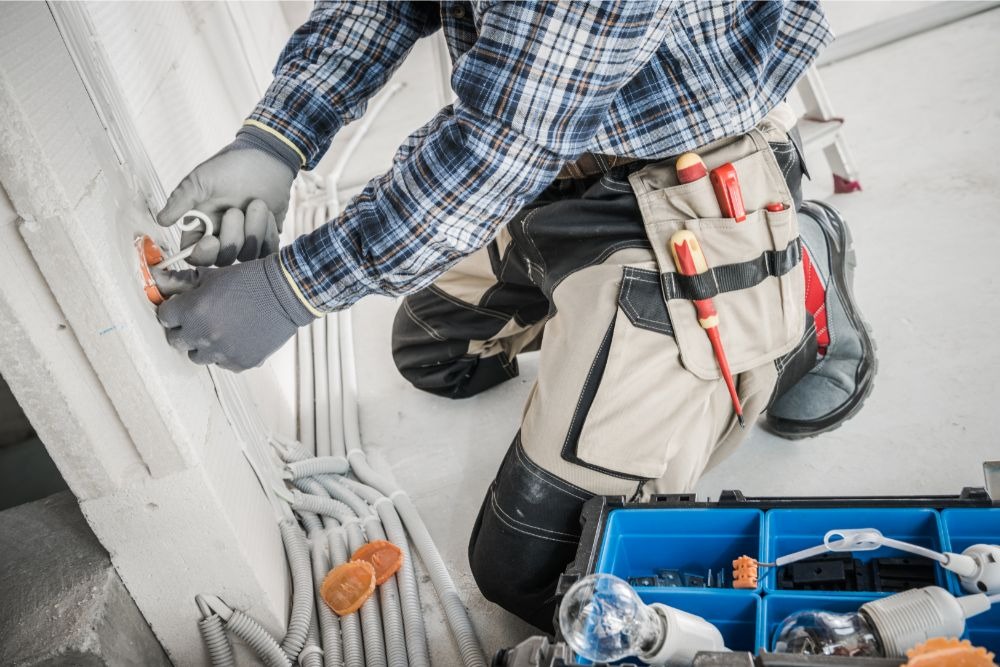
If something in your apartment stops working, you have the right to repairs within an appropriate timeframe. Serious issues, such as a loss of heat or major plumbing problems, must be handled right away. Non-emergency repairs should be completed within a period that meets city housing requirements.
You can protect your interests by documenting the problem, submitting repair requests in writing, and keeping records of all communication. If you are rent-stabilized and your landlord continues to ignore essential services, you can file a complaint with the state.
Rights During Rent Increases and Lease Renewals
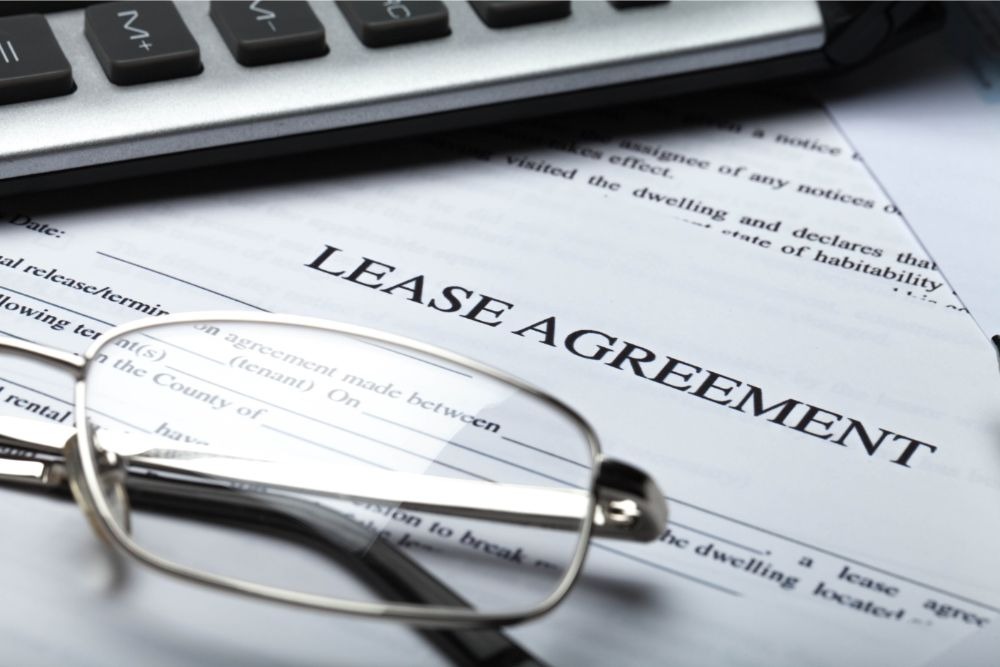
Rent increases work differently depending on the type of apartment you live in. If you are in a market-rate unit, your landlord can raise the rent more freely, but they must give you advance notice. According to the Rent Guidelines Board, the amount of notice depends on how long your lease term is or how long you have lived in the apartment.
If you have lived in the apartment for less than one year and your lease term is under one year, your landlord must give you at least 30 days’ notice before increasing the rent.
Once either your lease term or your time living in the apartment reaches one year, but is still less than two years, you are entitled to 60 days’ notice.
After you have lived in the apartment for more than two years, or if your lease term exceeds two years, your landlord must provide 90 days’ notice before a rent increase can take effect.
If you are in a rent-stabilized apartment, your rent increases follow the limits set each year by the Rent Guidelines Board. Your landlord is also required to offer you a renewal lease well ahead of your lease ending, typically 90 to 150 days before the expiration date. If you pay a preferential rent, your landlord is required to continue with that amount for future renewals.
Protection Against Harassment
Harassment does occur in some buildings, especially where rent-regulated units are considered financially valuable to the owner. Not only is it shady behavior, but NYC law makes it illegal for landlords to pressure you to move by using threats, repeated unannounced visits, shutting off services, or filing eviction cases without legitimate grounds.
Situations like this often make tenants question whether they can stay in their apartment, even when their legal protections have not changed.
If your landlord does anything that meets the legal definition of harassment, you can file a complaint with the appropriate city or state agency and seek legal assistance. These laws limit the ways your landlord can interact with you, define the procedures they have to follow, and protect you from anything even resembling harassment.
Rights in Rent-Stabilized Apartments
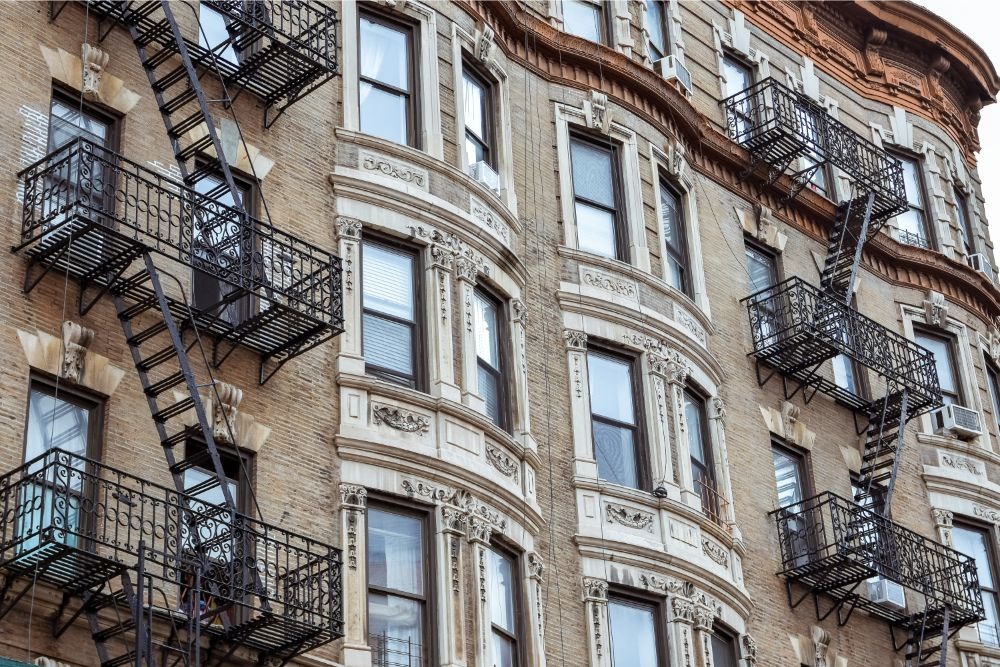
If you live in a rent-stabilized apartment, you have rights that set clear limits on how your tenancy is handled. These include lease renewals, limits to how much your rent can increase as set by the Rent Guidelines Board, and succession rights for certain eligible family members.
If you think your rent doesn’t match the legal rent for your unit, you can receive the rent history in NYC to see if you’ve been overcharged. The rules for rent-stabilized apartments are detailed, so this information will help you find any issues with your rent or lease.
Extra Protection for Vulnerable Communities
New York City provides additional safeguards for renters who may face unique challenges in the housing system. If you are an immigrant, your rights as a tenant are the same as any other tenant, and your landlord cannot use your immigration status or related threats in any housing discussion.
If you have a disability, you can request reasonable accommodations. These may involve adjustments to building policies or physical modifications that help you use and access your home.
If you are a survivor of domestic violence, state law offers housing protections that can include the ability to end your lease early when required documentation is provided, such as a court order or a certified statement from an authorized professional.
Your Responsibilities as a Tenant
What, you thought only landlords have rules to follow? You also have responsibilities as a tenant, like paying rent on time, keeping your apartment in good condition, and making sure smoke and carbon monoxide detectors are working. You are also required to allow reasonable access for necessary repairs and to respond to building notices when needed.
Lease Buyout Rights and Negotiation Protections
If your landlord wants to recover a rent-regulated apartment, they may approach you with a buyout offer. These offers vary, and the process is controlled by rules that set clear limits on how a landlord can communicate with you.
When your landlord makes a buyout offer, they must clearly disclose:
• The offer is voluntary, and you can decline it
• You have the right to get legal or professional advice
• The identity of the person making the offer
• Information about relevant housing agencies and tenant assistance resources
Buyouts involve financial decisions that depend on your apartment’s regulation status and the landlord’s long-term plans for the building. Rent-regulated units carry long-term financial value for owners, which can give you strong leverage during negotiations.
Empowering Tenant Rights in NYC
Knowing your rights tells you exactly what your landlord can and cannot do. NYC’s housing laws set clear limits on rent increases, repairs, and lease renewals, especially in rent-regulated apartments where owners must follow strict rules.
If a buyout offer is on the table, or you think one may be coming, it pays to understand your position before you respond. Lease Buyout Advisors reviews your building, the owner’s incentives, and the regulations that shape the real value of your apartment. This lets you see where your leverage comes from and how strong it actually is.
Our job is to step in and negotiate. We press every advantage, stay on the details, and push for results that match what your apartment is worth to the owner. We do not settle for weak offers or vague promises.
If you want a clear picture of your leverage, speak with Lease Buyout Advisors. Schedule a consultation and put a team in your corner that treats your buyout like the high-stakes negotiation it is.
Disclaimer: This guide is for general informational purposes only and does not constitute legal advice. Housing laws can vary, and your rights may depend on your specific situation. For legal guidance, speak with an attorney or a tenant support organization.
FAQs
What should I do if my landlord refuses to make repairs?
Document the problem, submit a written repair request, and call 311 if nothing changes. If you are in a regulated unit, you can also file a complaint with the state.
Can my landlord raise the rent however they want?
Market-rate increases must follow notice rules. Rent-stabilized tenants are protected by annual limits set by the Rent Guidelines Board.
What are my rights if I’m facing eviction?
Your landlord must take you to Housing Court and get a court order before an eviction can happen. Only a marshal or sheriff can enforce it. You can respond to the case, request more time, and in many situations stop the eviction by paying the amount owed before the warrant is carried out.
How do I report discrimination?
You can report housing discrimination to the NYC Commission on Human Rights. Document the behavior and file a complaint if you were treated unfairly because of a protected characteristic, such as race, national origin, disability, gender, age, or lawful source of income.


