


.jpg)
Key Takeaways on Illegal Landlord Actions
- New York law sets clear limits on what a landlord can do, especially in rent-stabilized apartments
- Unannounced entry, service shutoffs, and pressure to move out can violate those limits
- If something feels off, document it early and keep everything in writing
- Pressure to push tenants out often involves rent-regulated units
When something feels off with your landlord, it’s important to know whether it’s just poor management or actions that cross the legal line. In New York, especially in rent-regulated apartments, there are clear limits on what your landlord can and cannot do.
Can they show up without notice? Can they pressure you to leave? Can a landlord remove your belongings without permission?
At Lease Buyout Advisors, we work with tenants in NYC buildings that have experienced these issues. Here’s what a landlord cannot do in New York, and how to respond if it’s happening to you.
Illegal Things Your Landlord Cannot Do in New York
1. Withhold Your Security Deposit Without a Valid Reason
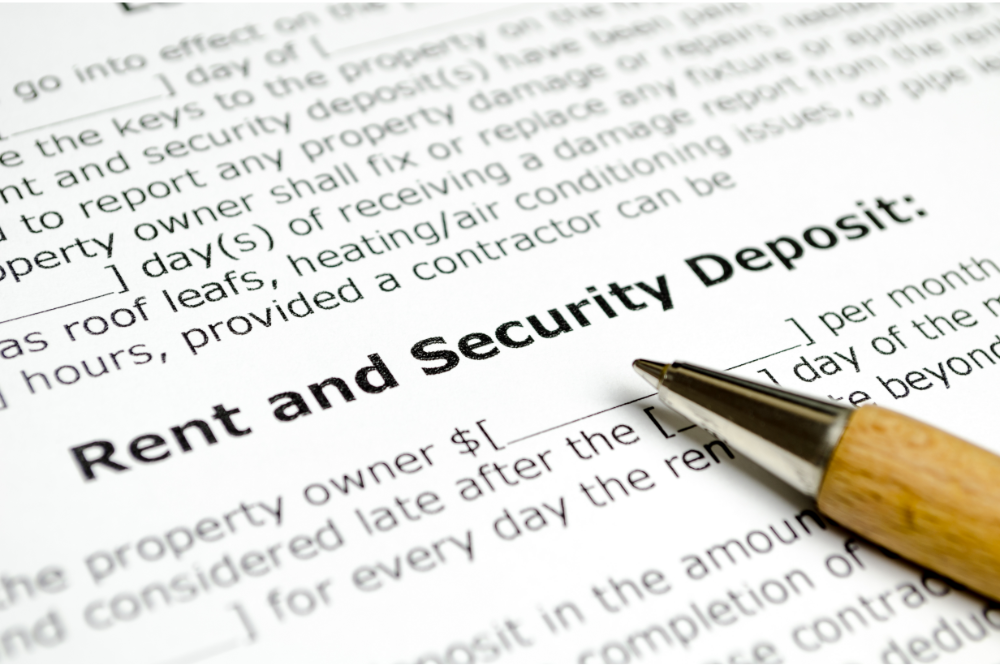
Your landlord cannot keep your security deposit without a clear reason. Normal wear and tear is not damage, and you are entitled to a breakdown of any deductions.
Is your landlord trying to keep the full amount? Claiming damage that was already there when you moved in? Dragging out the return with no clear explanation?
Start by recording the condition of the apartment and saving all communication with your landlord. Take photos when you move in and when you move out. That’s your proof. Put your request in writing and ask for a clear explanation of any charges.
If your landlord continues to withhold your security deposit, you may need to file a complaint through 311 or speak with a qualified professional.
2. Enter Your Apartment Without Notice or Permission
Your landlord cannot enter your apartment whenever they want. In New York, they need to give notice before coming in, except in a real emergency.
Unannounced visits, letting themselves in while you’re not home, or showing up repeatedly without a valid reason are all red flags.
Keep a record of each incident, including dates and what happened. Put your concern in writing and make it clear that they cannot enter without proper notice.
Repeated entry without notice is a violation of your privacy and may be considered harassment and a violation of NYC tenant rights.
3. Try to Force You Out
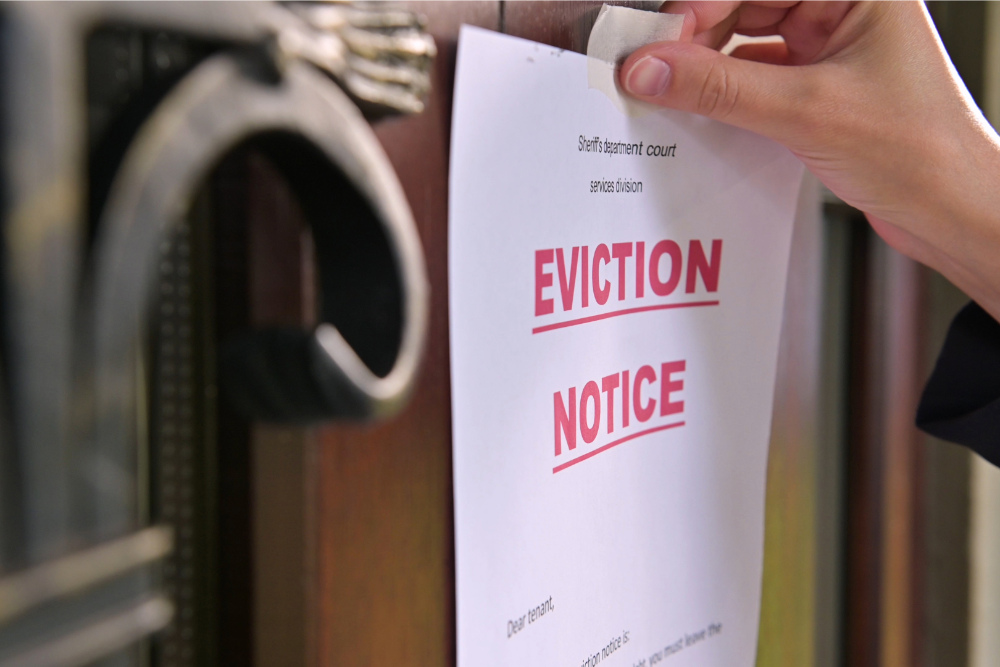
Your landlord cannot force you out of your apartment without going through the proper legal process. In New York, eviction does not happen with a phone call, a threat, or a deadline they made up. It goes through housing court.
Changing the locks, threatening eviction without proper paperwork, pressuring you to leave, or creating conditions that push you out are common tactics, but they are not legal.
Keep records of what’s happening and do not agree to leave under pressure. Landlords push tenants out when the unit is worth more to them empty, especially in rent-regulated apartments.
4. Retaliate Against You After a Complaint
Your landlord cannot punish you for speaking up. If you file a complaint, request repairs, or report an issue, they cannot respond by raising your rent, cutting services, or trying to push you out.
5. Shut off Your Utilities
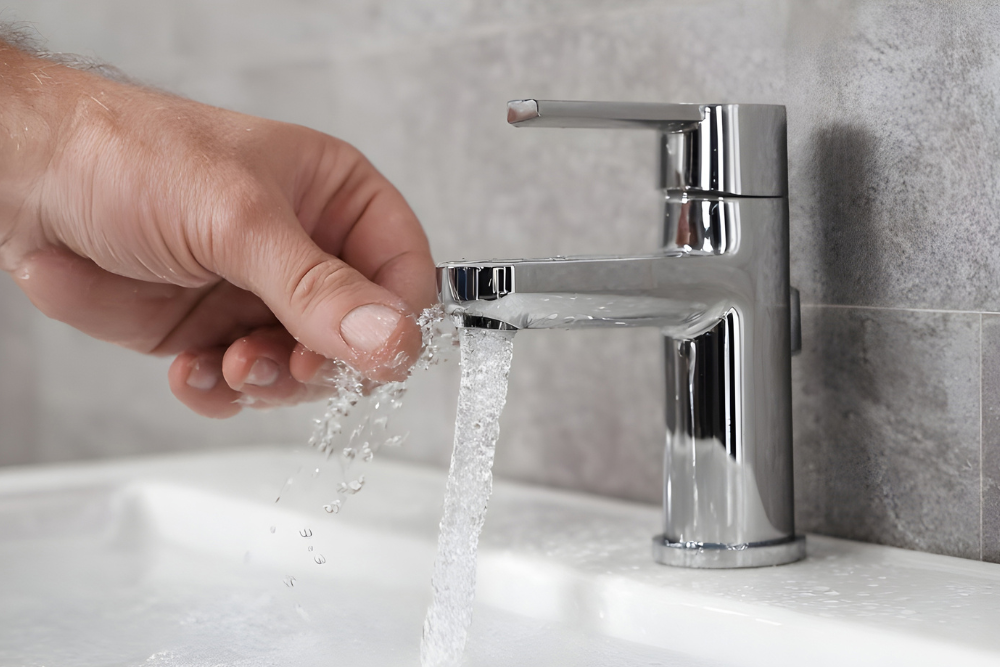
Your landlord cannot shut off your utilities. That includes heat, water, and electricity.
This can show up as heat going out in the winter, electricity getting cut off, or water not working, without a clear reason or quick fix. In some cases, it comes down to unpaid bills. Either way, you are the one left without basic services.
Keep a record of what is not working and when it started. Loss of basic utilities is taken seriously in New York, and landlords are expected to fix these issues without delay.
6. Overcharge Rent in a Rent-Stabilized Apartment
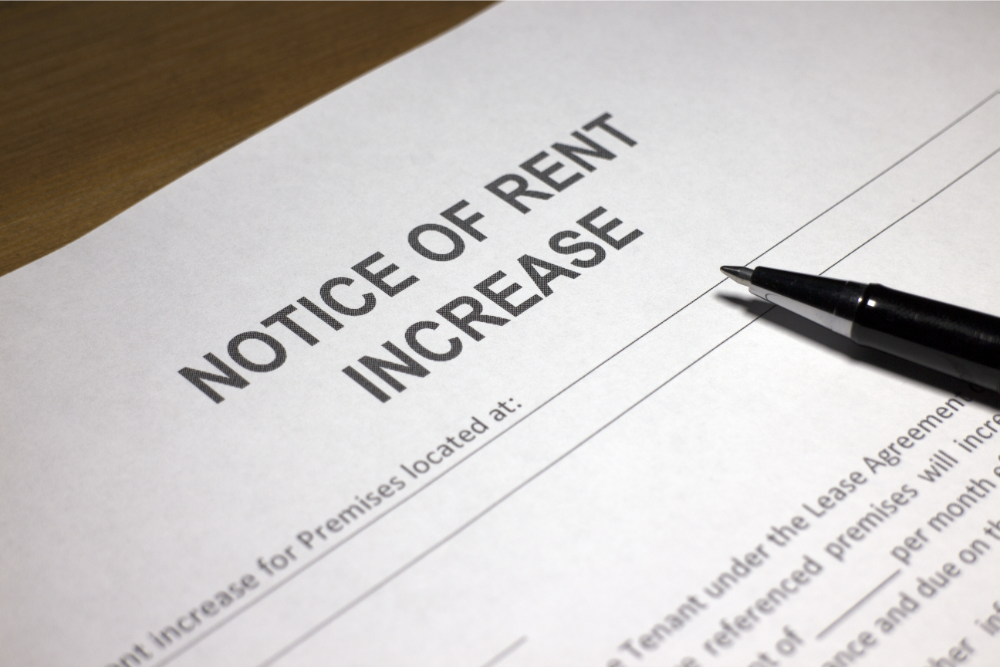
If your apartment is rent-stabilized, your landlord cannot charge whatever they want. The rent must be paid in accordance with the legally registered amount.
Overcharges do not always look obvious. You might be paying market-rate rent on a unit that should be stabilized, or you might be seeing increases that do not comply with the law. Many tenants do not realize their apartment is regulated at all.
If something does not add up, request your rent history and keep records of your lease and any increases.
If Your Landlord Is Pushing You, There’s a Reason
If your landlord is crossing lines or putting pressure on you, it’s not random. In New York buildings, especially with rent-stabilized units, this usually comes down to money and control of the apartment.
At Lease Buyout Advisors, we analyze the building and the ownership, then break down the numbers behind your unit. We figure out what your apartment is worth to the landlord and where your leverage is.
Then we step in and handle the negotiation.
We deal directly with the landlord and push for stronger buyout offers, so you don’t leave money on the table.
If something changed or the pressure picked up, don’t go along with it. Find out why.
Speak with Lease Buyout Advisors and know exactly where you stand before you agree to anything.
Disclaimer: This guide is for general informational purposes only and does not constitute legal advice. Housing laws can vary, and your rights may depend on your specific situation. For legal guidance, speak with an attorney or a tenant support organization.
FAQs on Illegal Landlord Practices
Can a landlord remove your belongings without permission?
No. A landlord cannot remove your belongings without permission or a court order. Even during an eviction, the process has to go through housing court, and only an authorized official can carry it out.
Is it illegal for a landlord to enter without permission?
In most cases, it is illegal for a landlord to enter your apartment without permission. A landlord must give you notice before entering, unless there is a real emergency.
Is it illegal for a landlord to keep your deposit?
A landlord cannot keep your security deposit without a valid reason. They are required to explain any deductions, and normal wear and tear does not count as damage.
My landlord is doing illegal things. Who do I call?
In New York City, you can start by contacting 311 to report problems. They can direct you to the right agency based on what is happening. If the situation continues or becomes more serious, you might want to consult with a qualified attorney.


